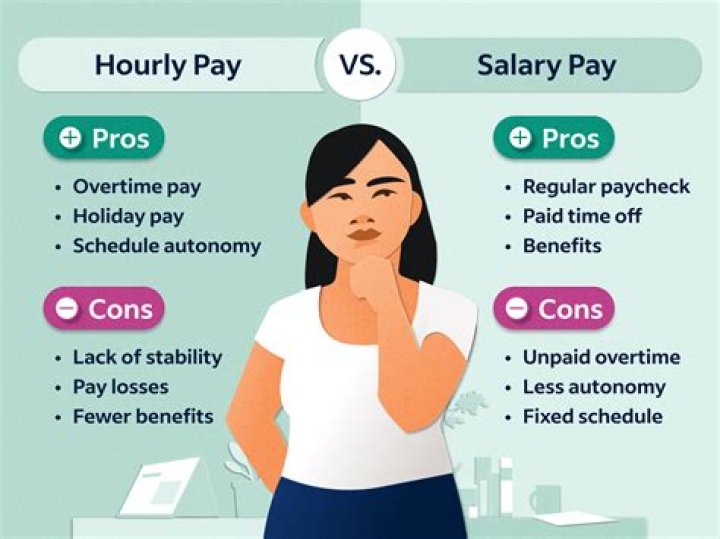
In addition to their wages, they often receive benefits like subsidized health care, paid vacations, holidays, sick time, or contributions to a 401(k) retirement plan. Permanent employees are often eligible to switch job positions within their companies.
What are the benefits of being permanent in your workplace?
Check that your permanent employment contract guarantees you a safe workplace free from harassment and discrimination. Your employer also needs to pay all appropriate superannuation contributions and withhold income tax as required. You should also receive regular payslips.
What are the different employee benefits?
Benefits are any perks offered to employees in addition to salary. The most common benefits are medical, disability, and life insurance; retirement benefits; paid time off; and fringe benefits. Medical insurance alone can cost several hundred dollars a month. …
How long is a permanent job?
Permanent employment is a full-time, salaried position with a contract to work the minimum amount of 36 hours each week.
What are the benefits of being an employee?
Benefits are a part of the compensation package, and they are often worth a great deal to employees. Health insurance and retirement, in particular, are valuable and coveted benefits. So too are paid vacations, sick days, life insurance, and retirement packages.
What makes a job a permanent and regular job?
Discuss. Ans: In a permanent and regular job an employee gets a regular salary every month. Besides, a regular salary he gets other benefits such as savings for old age, holidays, medical facilities for his family, etc. Thus, his job is secured.
What kind of benefits do part time workers get?
Dental insurance is less common, especially for part-time workers. By industry, manufacturing, financial, education, and health services are the most likely to offer benefits. The leisure and hospitality sector is the least likely. Larger firms are more likely to offer benefits than small firms.
What do you need to know about employee compensation?
A compensation strategy must be affordable, structured and competitive. Employee compensation can be divided into salary, benefits and incentives. Startups often cannot compete with large companies on salary, but options such as a flexible environment can attract/retain talent.