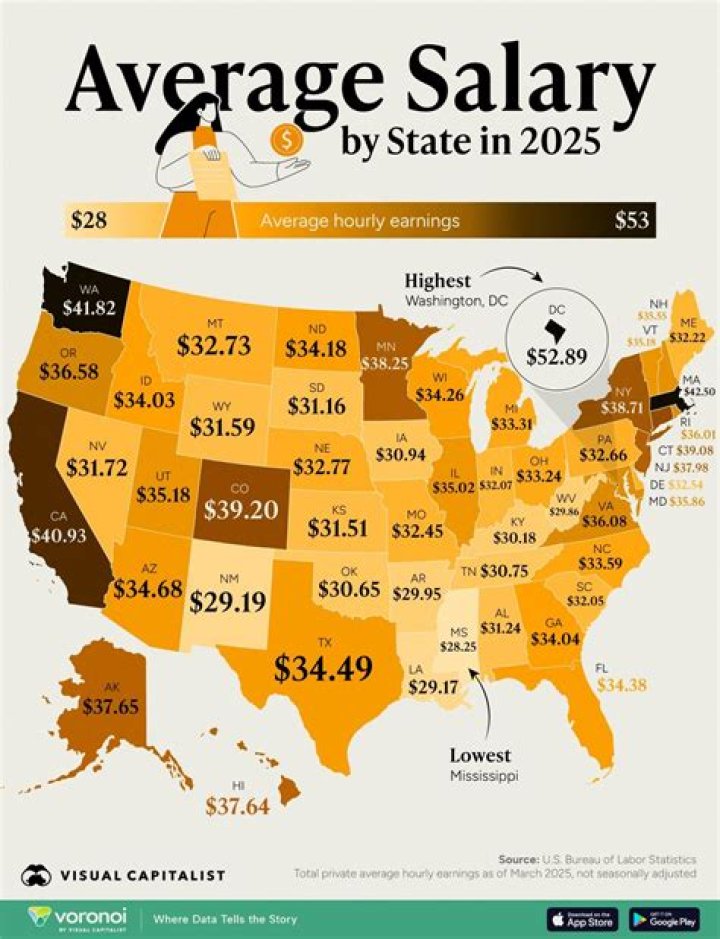
The general rule of thumb is that you should save 20% of your salary for retirement, emergencies, and long-term goals. By age 21, assuming you have worked full time earning the median salary for the equivalent of a year, you should have saved a little more than $6,000.
How much money does the average 23 year old have?
So, what that means is, if you want to be “better” than average, the 50% mark is $18,000 overall. Here you can see my best estimate of the 50% mark by age….Average Millennial Net Worth By Age.
| Age | Average Net Worth |
|---|---|
| 24 (Class of 2018) | -$28,706 |
| 23 (Class of 2019) | -$33,984 |
| 22 (Class of 2020) | -$39,915 |
How much money should you have saved by age 40?
By age 35, you should have saved twice your income and by age 40, three times your income. Considering that the median household income is $59,039, a 50-year-old should have a retirement savings account of almost $300,000 if you stick to that plan.
How much money should millennials have saved by age 30?
However, the amount you should have saved, by any age, should be determined by how much you earn. That being said, you should strive to have saved at least one year of salary by the time you reach the age of 30. Hopefully, many of you reading this have saved more. Do not worry if you have saved less.
How much money should you save in your 20s?
As you get deeper into your 20s, you should shoot to have about one quarter of your annual cash (25% of your gross pay) saved up, according to a spokeswoman for the budgeting app Mint.
What’s the right amount of money to save for retirement?
It’s important to make steady progress toward saving for retirement, no matter what your age. Savings benchmarks based on age and salary can serve as a helpful way to track progress against saving for retirement. Saving 15% of income per year (including any employer contributions) is an appropriate savings level for many people.