Many food brokers have prior experience in the food industry, either in restaurants, retail or grocery stores, or in the agricultural industry. Educational qualifications range from a high school diploma or GED certificate to a bachelor’s degree in a food or finance-related subject.
How much do food brokers make a year?
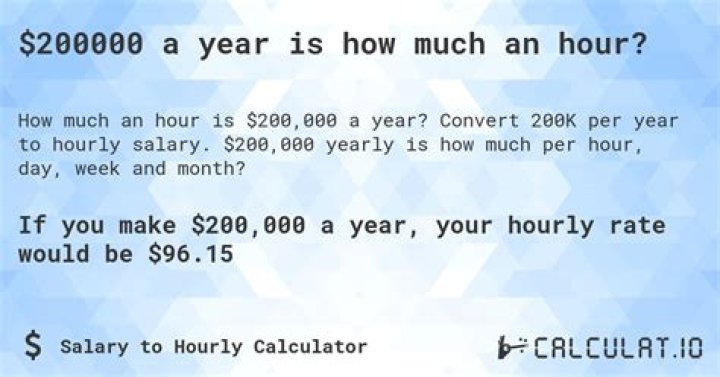
Salary Recap The average pay for a Food Broker is $69,081 a year and $33 an hour in the United States. The average salary range for a Food Broker is between $49,475 and $85,246. On average, an Associate Degree is the highest level of education for a Food Broker.
What is a broker in grocery?
A food broker is an independent sales agent that works in negotiating sales for food producers and manufacturers. Food brokers work for both producers and buyers of food as they help sell food products to chain wholesalers, retail stores, independent wholesalers and more.
What do produce brokers make?
Produce Broker Salary
| Annual Salary | Weekly Pay | |
|---|---|---|
| Top Earners | $100,000 | $1,923 |
| 75th Percentile | $70,000 | $1,346 |
| Average | $53,912 | $1,036 |
| 25th Percentile | $27,500 | $528 |
What is the difference between a food broker and a distributor?
Like a broker, distributors have relationships with high-volume retailers and can assist with getting new products on the shelf. Unlike a broker, a distributor purchases product upfront and resells to retailers.
How do food brokers work?
A professional at sales Food brokers act as sales agents hired by manufacturers to represent their products and make sales to retailers, foodservice companies, and distributors. They can help find distributors, and they broker deals between manufacturers and distributors as well as between distributors and retail- ers.
How does a food broker work?
A food broker’s goal is to get your product on the shelf at grocery stores and help you market your product to customers. As a food broker, we work with grocery stores to negotiate the cost of selling your products.
What is the job of a food broker?
As a food broker, your main responsibilities are to negotiate and sell food products to wholesale retail stores, distributors, or to other food manufacturers who need the raw ingredients you sell to make their own products.
How does a food broker get paid?
Food brokers don’t buy product upfront, instead, they charge a fee or commission of the net invoiced price of all products sold. This fee is usually 5-10 percent. Some also charge a small monthly retainer. Many brokers will also work with stores to market your product and coordinate demos.
What is crop broker?
A cash grain broker acts as a matching agent between a seller and a buyer of physical grain. As a broker, they do not take legal or physical possession of the crop being brokered, but arrange for the deal to proceed upon agreement of the terms of the transaction by both parties.
Why do you need a food broker for your business?
A food broker represents food brands and helps you get your products on shelves in an ever more competitive supermarket and specialty food retail environment.
What are the requirements to register a food business?
Food Business Operator must obey the rules and conditions of registration. One presumption with various types of businesses is eligible for one registration. The central license is for those FBOs which have their turnover more than Rs.20 crore. The state license is for the medium-sized food business.
Do you need food license for homemade food selling?
FSSAI license is notified to be registered when a home selling food operator gets a 14-digit number. It has 5 sections, each of them gives different information about the FBO. What is the need for FSSAI License?
What kind of approval do you need for a food business?
If your business involves handling meat, fish, egg or dairy products, you must be inspected and may require approval by your local council. The council will decide if you get approval or need to register.